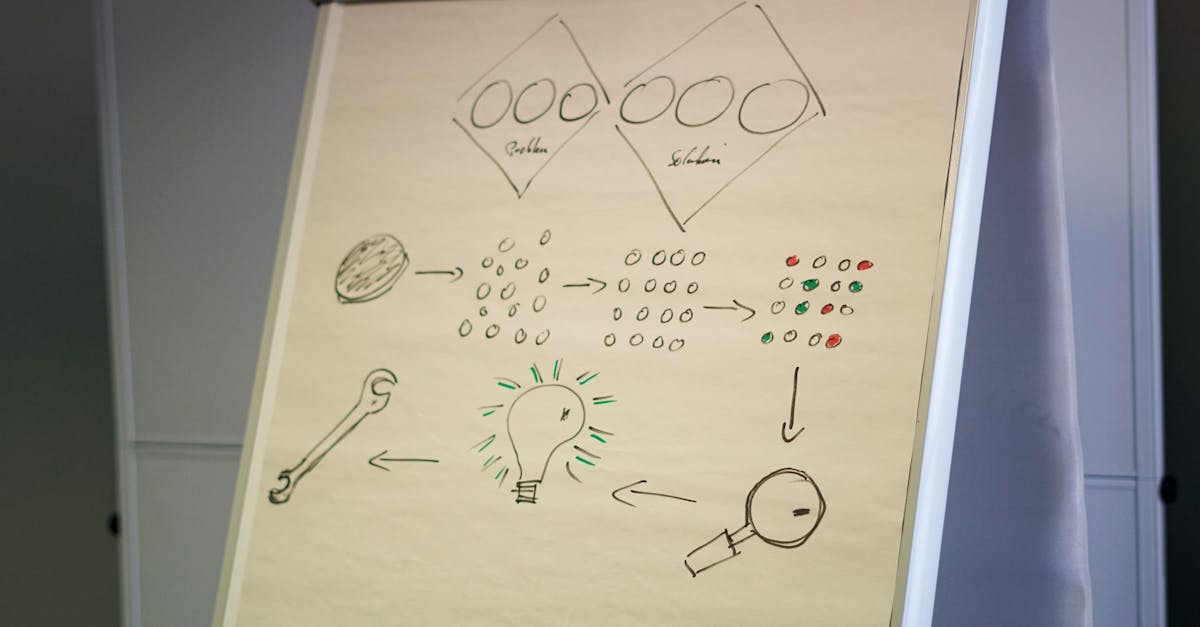
Has it ever happened to you that “the leads are coming in” but you can’t feel anything in the cash register?
That noise is extremely dangerous, because it gives you a false sense of progress. Marketing celebrates forms. Sales complains about “bad leads”. And in the end, the business stays in the same place: lots of contacts, few closes.
Let’s talk about the stretch almost nobody designs: what happens to the lead in the first minutes, hours and days after it comes in. More of your revenue is decided there than in choosing the button on your ad.
And yes: if you arrived looking for how to improve lead follow-up in Colombia, here’s the truth without anesthetic: you don’t need “more leads”, you need a protocol (timings + owners + cadence + record-keeping) that can withstand WhatsApp, odd hours and teams fighting a thousand fires.
The short answer (no smoke): what should happen in the first 24 hours
If your follow-up today is “whenever we can”, this is going to hurt. If you turn it into a system, you’ll feel it in the cash register.
A minimum checklist (it applies to B2C and much of B2B in Colombia):
- Lead SLA: first attempt within 5–15 minutes (or an immediate acknowledgment if you’re outside business hours).
- Lead owner: someone responds no matter what (shifts + backup).
- 5 stages in the CRM: New → Contacted → Qualified → Proposal → Closed.
- A 7-day cadence: 6–8 touches (WhatsApp + call + email, depending on the ticket size).
- Basic metrics: time to first attempt, time to first real contact, contact rate, qualification rate, reasons for loss.
If you want this tied to a dashboard and not to a salesperson’s memory, here’s the service we use as the engine: lead generation.
The black hole in the funnel: the lead arrives and evaporates
In Colombia, a lead rarely wants “a call in 3 days”. They want a quick response, clarity and a next step. Especially if they come from paid media.
The problem is that many companies treat the lead as an event (“it arrived, done”) rather than as a process with an owner.
Quick definitions (so we speak the same language):
- Lead follow-up: the system of timings, messages, stages and owners that turns “I left my details” into a conversation, an appointment and a close.
- Marketing–sales handoff: passing on the lead with context (source, campaign, need) and clear rules.
- Lead SLA: the maximum time allowed between “it came in” and “first contact attempt”.
- A CRM for follow-up: the place where the process is recorded (not a lost chat).
It shows in phrases that sound harmless but are an alarm:
- “It goes to the general inbox and someone checks it.”
- “The salesperson calls when they can.”
- “If they didn’t answer, it’s lost.”
- “Marketing did its part; now it’s a sales issue.”
Each of those phrases is a hole in the floor. And that’s where the closes fall through.
If you want to put it in money terms: when first contact is delayed, your likelihood of closing drops fast. That isn’t opinion. Classic studies show that responding within minutes rather than hours radically changes the conversation — for example, the Harvard Business Review study The Short Life of Online Sales Leads.
The uncomfortable part: if your marketing is working “more or less”, that black hole gets bigger, not smaller. More poorly handled leads = more frustration + more “bad leads”.
If you want us to review your complete flow (capture → contact → follow-up) and not just the ad, see how we approach lead generation.
Why it happens (even with good marketing): 7 typical causes
This isn’t fixed by “trying harder”. It’s fixed with clear rules.
1) There’s no lead SLA (and without an SLA there’s no real priority)
SLA sounds corporate, but it’s simple: the maximum time that passes between “the lead comes in” and “the first contact attempt”.
If nobody defines it, day-to-day life takes over: meetings, fires, lunches, “a bit later”.
In businesses with quick decisions (much of B2C and several B2B models), an SLA of 5–15 minutes for first contact changes the game.
A practical rule: if the lead comes in outside business hours, the SLA isn’t “respond anyway”; it’s don’t disappear.
- A human-sounding automatic acknowledgment (WhatsApp / email): “I’ve seen your request. I’ll write to you first thing tomorrow and suggest a time.”
- Assignment for first thing in the morning: the lead doesn’t wake up orphaned.
2) Marketing and sales don’t share a definition of a “good lead”
If marketing counts forms and sales counts closes, each team will “win” its own game.
The practical solution: define MQL/SQL with real examples (that the team can recognize in 10 seconds):
- MQL: meets minimum conditions (area, service, budget or intent).
- SQL: has spoken to someone, understands the proposal and has a next step scheduled.
Without that, the “bad lead” becomes a universal excuse.
3) The lead arrives without context (and sales has to guess)
Does the salesperson know where the lead came from? What they saw? Which form they filled in? Which campaign brought them?
If there are no UTMs, captured fields or a summary in the CRM, the salesperson starts with an interrogation. And people on WhatsApp run away within 4 messages.
The minimum context sales should see when opening the lead:
- source (Google / Meta / organic / referral)
- campaign / ad (if applicable)
- what they asked for (the specific service)
- city/area
- preferred channel (WhatsApp / call / email)
4) The channel rules: WhatsApp becomes the CRM… and then nobody can find anything
In Colombia, WhatsApp is king. Fine.
The problem is when WhatsApp is the only system. This is what happens:
- each salesperson “does it their own way”
- the history is lost if they change phones
- there are no stages, no reminders and no measurement
You don’t need “complex software”. You need a minimum system that doesn’t depend on memory.
If everything lives on WhatsApp today, at least standardize:
- labels by stage (New, Contacted, Qualified, etc.)
- first-contact templates (with context)
- reminders (otherwise leads die of neglect, not “quality”)
5) There’s no follow-up cadence (one attempt and goodbye)
Many leads don’t respond to the first message for simple reasons: they were working, another call came in, they got distracted.
If your company makes 1 attempt and gives up, you’re buying leads to give them away.
A basic cadence (for example, 7 days with 6–8 touches across WhatsApp, calls and email, depending on your business) often doubles conversations without spending more on paid media.
A first WhatsApp template (human, not robotic):
Hi, {Name}. I’m {Salesperson} from {Company}. I saw you asked for information about {Service} for {City/Area}. Would a 10-minute call today or tomorrow work better for you?
6) Misaligned incentives
If the salesperson “wastes time” with lukewarm leads, they’ll prefer to serve the customer who’s already almost sold. That’s normal.
Follow-up requires the team to see a benefit: commissions, stage-based targets or at least visibility of their impact.
7) There’s no feedback loop: sales doesn’t return data to marketing
Marketing asks: “What happened with the leads?”
Sales answers: “Bad.”
The end.
Useful feedback is specific:
- What percentage had no budget?
- What percentage was outside the service area?
- What percentage was looking for another service?
- Which objection keeps coming up?
That feedback is gold: it adjusts paid media, the form, the promise and the targeting.
If today you have no way to see that loop in numbers (not in gossip), book a conversation and we’ll tell you what to measure first.
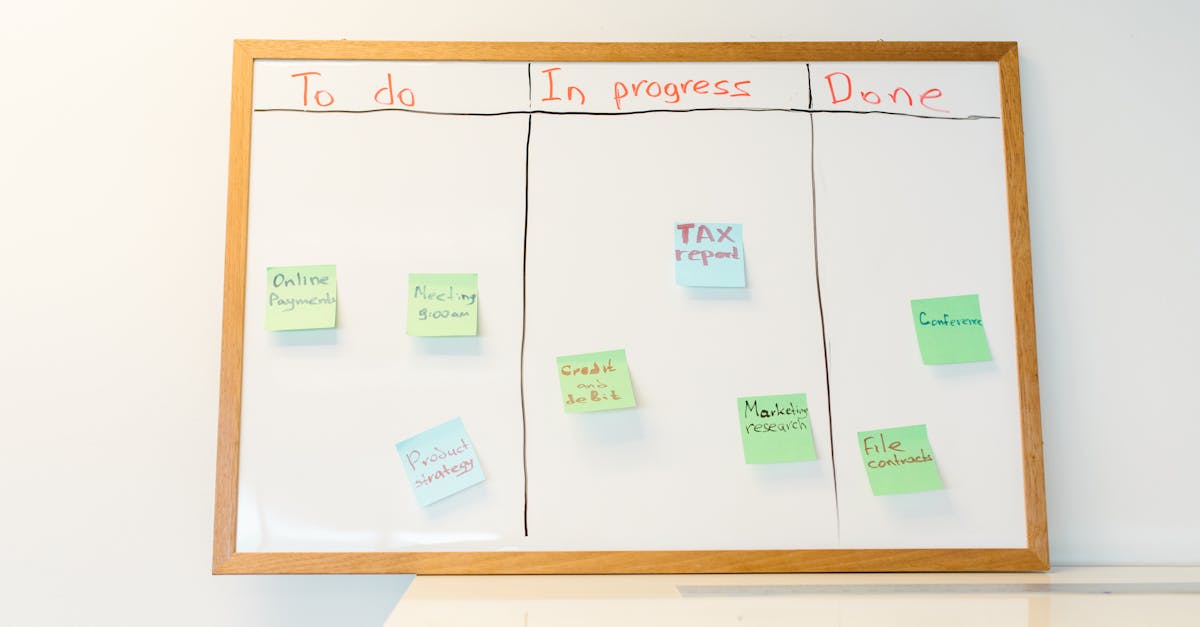
What sales feels (and why marketing doesn’t find out)
Sales lives on another planet.
Marketing sees:
- CPL went down
- forms went up
- clicks held steady
Sales sees:
- people who don’t respond
- endless conversations
- “just quotes”
- slow closes
Both can be telling the truth at the same time.
The point is that marketing’s metric ends too early.
If your report stops at “lead generated”, the team gets used to celebrating the beginning. And your company bills for the end.
At Gulupa we see this in audits all the time: “good” campaigns that look bad because follow-up is broken; “bad” campaigns that really are bad because the message promises something sales can’t deliver.
The difference between the two only appears if you connect the data:
- source/campaign → response time → contact rate → booking → show rate → close
When you build that traceability, the debate grows up: it stops being “your fault vs. my fault” and becomes “this step is bleeding”.
And if you want to measure that “bleeding” in money (real ROI, CAC and payback, not just ROAS), see ROI by digital marketing channel in Colombia.
How others solved it: practices that work in the real world
Three patterns repeat in companies that improve without doubling their budget.
1) A “lead owner” from the very first second
The lead can’t “arrive into thin air”. It must land in someone’s hands.
Simple practices that work:
- one person responsible per shift (not “anyone”)
- automatic assignment (rotation among salespeople)
- a backup if there’s no response within X minutes
In companies with intense operations (real estate, education, medical services, B2B services), this rule alone reduces the leak.
2) A first message that doesn’t sound like a robot
Follow-up fails because of copy, not just speed.
If the first WhatsApp is:
“Hi, we’re X. How can I help you?”
You’re starting from zero. The lead already told you in the form what they wanted. Use it.
An effective first message usually includes:
- context (“I saw you asked for information about…”)
- a micro-option (“would a 10-minute call today or tomorrow work better?”)
- a closed question (“is this for Medellín/the Metropolitan Area?”)
It isn’t poetry. It’s reduced commercial friction.
3) A short cadence + a clear next step
Companies that close more don’t “insist more”. They insist better.
An example of the logic:
- Day 0: immediate contact + an offer of a brief call
- Day 1: second attempt (another channel) + social proof (a case, testimonial, data point)
- Day 3: third attempt + an alternative (“if this isn’t a priority right now, I’ll write to you in 30 days”)
- Day 7: closing the cycle (“I’m closing your request for now — do you want to reactivate it?”)
This recovers leads who did want to talk but couldn’t respond in minute 1.
And yes: it also filters out those who were just “browsing”. Better for everyone.
A practical framework: a lead follow-up protocol (applicable in Colombia)
If your goal is how to improve lead follow-up in Colombia, here’s a framework you can implement without inventing a university.
Step 1: design the handoff on a single page
Answer these four questions and write them down:
- Who receives the lead first?
- Within how much time must they attempt contact?
- What happens if they don’t?
- Where is everything recorded?
If your answer to #4 today is “on the salesperson’s WhatsApp”, you now know why you can’t scale.
Step 2: define 5 stages (at most) and make sure everyone uses them the same way
Recommended stages (generic, adaptable):
- New
- Contacted
- Qualified
- Proposal / quote sent
- Closed (won / lost)
The rule: every lead must be in a stage. If it isn’t, it’s smoke.
Step 3: measure two timings that change the business
- Time to first attempt: from the moment it comes in until someone tries to contact it.
- Time to first real contact: from the moment it comes in until there’s a conversation (a reply or a call).
When we measure this with clients, surprises appear:
- campaigns with an “expensive” CPL that actually close better because they get a fast response
- “cheap” campaigns that don’t close because nobody attends to them in time
Step 4: build a minimum cadence (7 days) with human templates
A cadence isn’t spam. It’s consistency.
A base example (adjust it to your operation):
- Minute 0–15: WhatsApp + call (if applicable)
- Hour 2: a short WhatsApp with a closed question
- Day 1: a call + a WhatsApp with a one-line value summary
- Day 3: a WhatsApp with a clear alternative (book / pause / discard)
- Day 7: closing the cycle with permission (“Shall I leave it for later?”)
If you sell high tickets, add an email with a short document or case. If you sell low tickets, simplify.
Step 5: the weekly feedback loop (30 minutes, no drama)
A brief weekly meeting between marketing and sales with 5 questions:
- How many leads came in by channel/campaign?
- What was the average time to first attempt?
- What was the real contact rate?
- Why are leads lost (top 3 reasons)?
- What adjustment will we make this week?
That’s alignment. Everything else is team therapy.
If the underlying problem is that marketing and sales are playing different games, here’s the complete framework (not just ads): integrated digital marketing.
What you should measure to stop arguing and start improving
If you only measure “leads”, you’ll keep arguing.
Recommended metrics (simple, actionable):
- Contact rate (contacted / leads)
- Qualification rate (qualified / contacted)
- Booking rate (appointments / contacted)
- Show rate (attendances / appointments)
- Reasons for loss (categories, not novels)
- Quality by source (which channel brings better qualified leads, not more forms)
A bonus that almost nobody measures and that changes paid media decisions: response time by salesperson/shift. Not to scold anyone, but to design better.
And watch out for a very Colombian issue: if your lead comes in outside business hours (at night, on a Sunday, on a public holiday), your “SLA” must account for it. A human-sounding automatic reply (“we’ll write to you first thing tomorrow, and your request has been registered”) keeps people from seeing you as a ghost.
Frequently asked questions
What is the ideal response time to a lead in Colombia?
If the lead comes from paid media or WhatsApp, try to respond within 5–15 minutes. If you can’t, at least send a quick acknowledgment and schedule the next step.
How do I know whether my problem is lead quality or follow-up?
Look at two numbers: time to first attempt and contact rate. If you respond quickly and nobody qualifies anyway, review your message/targeting. If you respond late, the problem is follow-up.
Do I need a CRM to improve lead follow-up?
You need a place where the process is recorded and can be measured. It can be a formal CRM or a simple, well-implemented solution, but it must have stages, owners and reminders.
How do I align marketing and sales without endless meetings?
With a shared dashboard and 5 weekly questions: volume by source, response times, contact rate, reasons for loss and one weekly adjustment. Thirty minutes.
What do I do if my sales team “doesn’t believe” in digital leads?
Design the process with them and measure by stage (contact, qualification, appointments). When they see attributable closes and a cadence that filters out losses, the conversation changes.
How many follow-up attempts should I make before letting the lead go?
As a baseline: 6–8 attempts in 7 days, changing channel and message. If there’s no response by day 7, close the cycle with permission (“I’ll leave it for later”) and set up a reactivation at 30 days.
What if the whole team sells via WhatsApp and doesn’t want a “CRM”?
Don’t start by “buying software”. Start with stages + labels + owners + reminders. If that works, the CRM becomes the obvious next step (because you already have a process).
The close you’re missing is usually a system (not budget)
You can have perfect ads and impeccable content, but if the lead lands in an inbox with no owner and is handled “whenever we can”, your business runs out of air.
If you like, we’ll adapt this to your real operation: we’ll review your marketing→sales handoff, measure timings, define an SLA and leave you with a follow-up protocol that can actually be executed (without depending on a salesperson’s memory). Book a conversation here.