HR is usually the area where “everything is urgent” but almost nothing is automated.
Integrating AI with payroll and HR has two sides: real productivity… and high risk if you handle personal data without governance.
Where AI adds value in HR (no exaggeration)
- classifying and giving first responses to internal requests
- extracting data from documents (with review)
- detecting inconsistencies in payroll changes
- analyzing turnover and its causes (with caution)
- onboarding and internal training with a knowledge base
Mandatory limits (for data and for reputation)
- don’t automate sensitive decisions without review (dismissals, sanctions, evaluations)
- define which data the system can see
- audit access and changes
In Colombia, employee data is delicate territory. This is not something to gamble with.
Integration: the approach that reduces errors
- normalize the sources (ERP, payroll, document management)
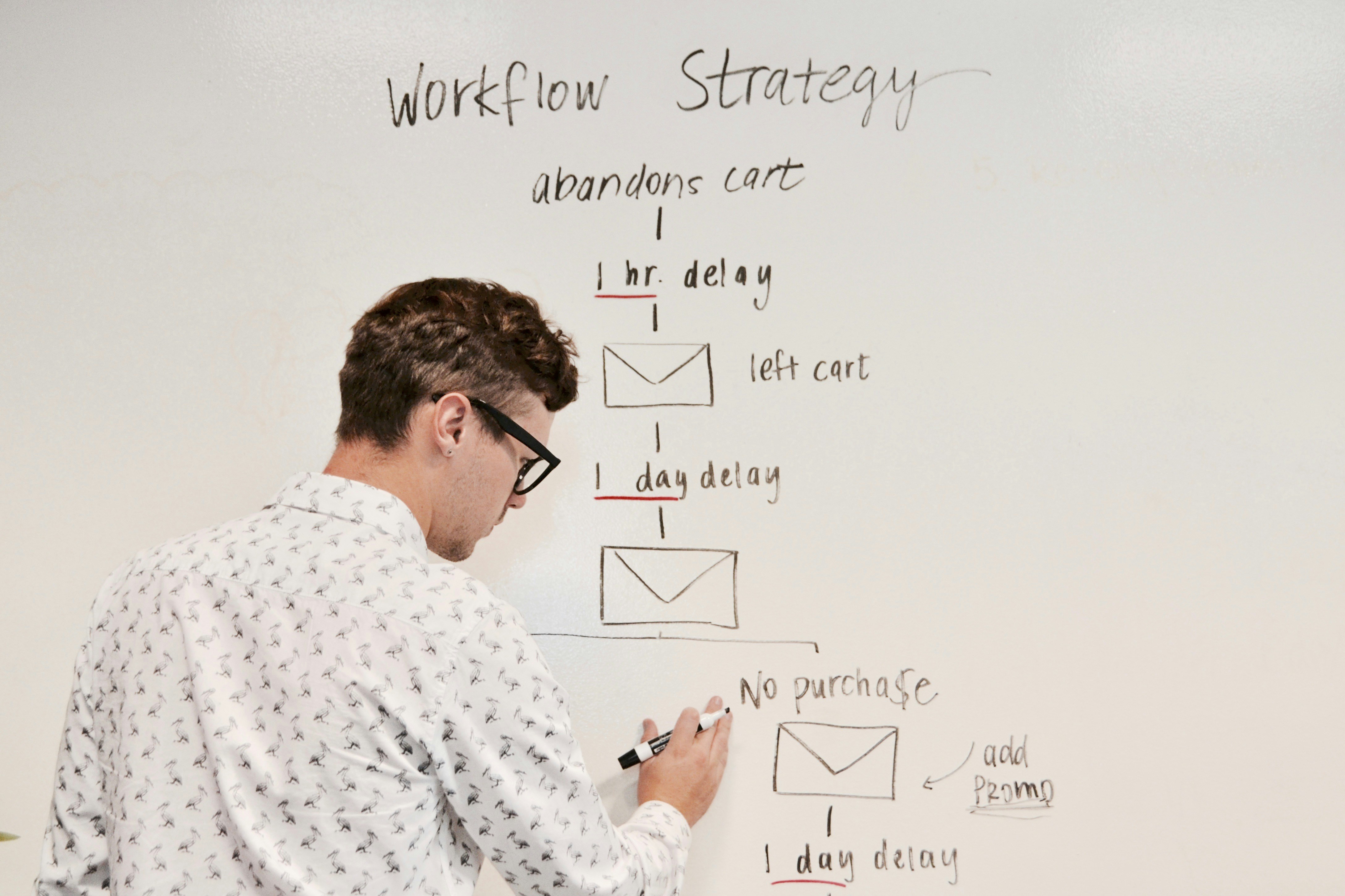
- define events and rules (what triggers what)
- add human review for exceptions
- measure: response times, errors, operational load
Frequently asked questions
Can AI review severance settlements or payroll calculations?
It can help detect inconsistencies, but final responsibility must be human. Automating calculations without control is asking for a labor dispute.
What are the most common risks?
Data exposure, poorly defined permissions and automated decisions without explanation. That breaks internal trust.
Which use case usually delivers a fast ROI?
An internal help desk + document extraction with review. It cuts response times and reduces rework without touching sensitive decisions.
Next step
If you want to automate HR processes without getting into data trouble or losing internal trust, contact us.