What’s the point of appearing on Google if the client who finds you doesn’t trust you?
For immigration law firms, visibility without context is worth very little. The decision to get in touch carries emotional weight, urgency and fear of making a mistake. Users aren’t just looking for a lawyer. They’re looking for clarity, human treatment and signs that the firm really understands their case.
That’s where local SEO becomes genuinely useful. Not to fill the site with nice words, but to make the firm visible at the right moment, with the right message and in the right city. When that happens, traffic stops being a statistic and starts looking like consultations.
Local SEO isn’t optional here
Law firms compete for very specific searches: immigration lawyer near me, Spanish-speaking immigration lawyer, adjustment of status, asylum, deportation defense, visas, green cards. If the website isn’t aligned with those intents, the site falls off the radar or attracts poorly qualified inquiries.
Local SEO helps connect service, city and language. That includes location pages, content that answers frequent questions and a solid Google Business Profile. It also matters that the site is fast, clear and easy to navigate on mobile.
In a Hispanic market, users also want to read without wrestling with technical jargon. If the content feels distant, the problem isn’t the ranking. The problem is trust. And without trust, the visitor leaves.
If your firm gets traffic but few consultations, the problem is almost certainly intent, not volume.
What an immigration client is really looking for
Most users don’t arrive saying “I want an SEO audit”. They arrive with a concern: regularizing their status, responding to a notice, applying for residency or finding out whether they qualify for a benefit.
That changes the content architecture. The site must answer real questions: do we serve clients in Spanish? Which cities do we work in? What types of cases do we handle? What is the first consultation like? Which documents do I need? When those answers are clear, users move forward.
Good SEO for law firms isn’t just about attracting visits. It’s about filtering better. Because if the content attracts someone looking for free information with no intention of hiring, the page fills up with the curious. And the curious don’t pay the payroll.
That’s why it pays to work on very specific service pages, with human language, proof of experience and visible calls to action.
If your site explains a lot of law and very little about the decision, it’s probably losing consultations before they start.
Google Business Profile still carries a lot of weight
For immigration lawyers, the Google listing is still a heavyweight piece.
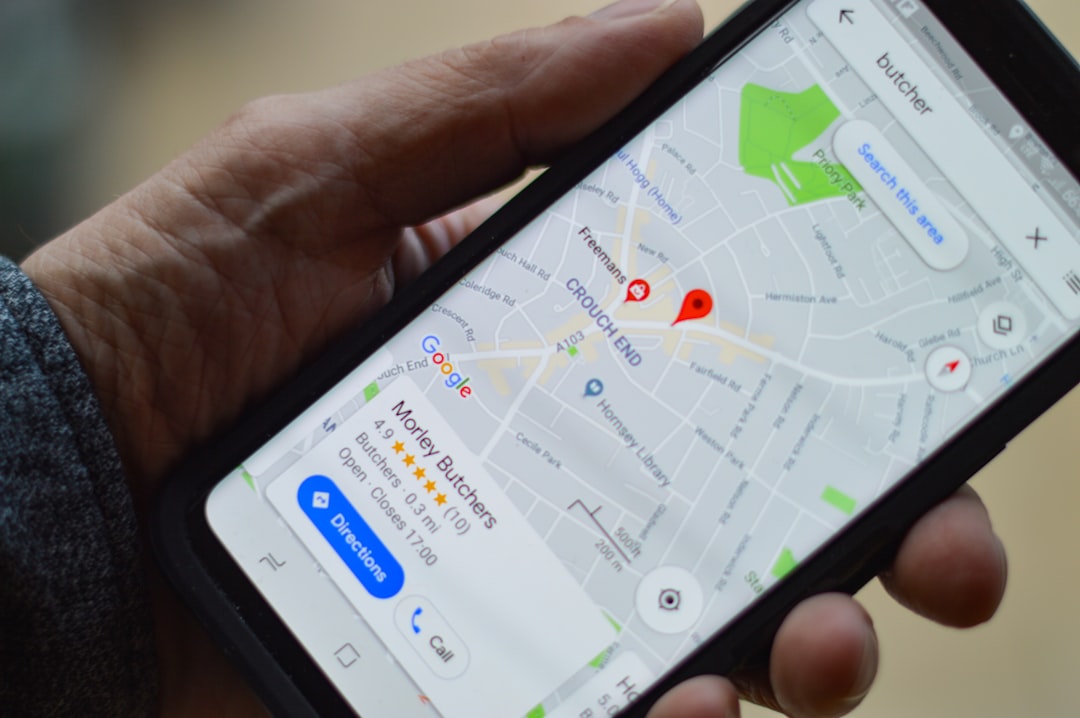
Reviews, real photos, the right category, hours, questions and answers, and frequent posts help more than many people think. A firm with a good listing and a consistent website has a better chance of capturing local searches than one with a pretty but neglected website.
Consistency between the listing, the site and the content is key. If the listing says one thing and the website another, users sense noise. And when a legal matter causes anxiety, nobody wants noise.
Reviews also play a double role: they help you rank and they reassure. It isn’t about collecting them like medals, but about showing verifiable experience. A good review resolves objections faster than a long paragraph.
Review your Google listing as if you were a new client. If it doesn’t convince you in ten seconds, there’s work to do.
The pages you should have
An immigration law firm doesn’t need twenty empty pages. It needs useful pages.
The main services page should explain each type of case. The city pages should talk about real coverage. The FAQ page should tackle objections and fear. And the contact page should make the consultation easy, not put obstacles in the way.
It also helps to publish content that compares scenarios: what to do if you received a notice, how to prepare for a consultation, how long a process takes, what changes between visa types, when it makes sense to seek legal help. That content attracts searches with intent and helps build authority.
If the firm works in several cities, avoid cloned pages. Google detects repetition, and so do users. Each page should have something of its own: context, cases, local references or different frequently asked questions.
If you want to see how this connects with a broader system, see our SEO positioning service and our homepage to understand Gulupa Digital’s approach.
What usually ruins rankings
Some mistakes come up again and again.
First: identical pages for every city. Second: writing as if every user understood immigration law. Third: hiding the phone number or the initial consultation. Fourth: not measuring which pages bring useful contacts.
Another classic is publishing generic immigration content without a clear local intent. It may bring traffic, yes, but not necessarily consultations. If users see that the firm doesn’t mention a city, a language or its coverage, they go to another firm.
Something subtler happens too: many firms want to look very serious and end up looking cold. In immigration, that works against you. Seriousness builds trust; coldness breaks it.
If your content reads like a legal document rather than a firm that serves people, the tone needs adjusting.
How to measure whether SEO is working
Measure more than rankings.
Look at how many consultations come from Google, which pages generate calls, which keywords attract the most forms and which cities your users come from. Also check whether the traffic actually takes useful actions. More visits without contact only inflate the ego.
Search Console helps you see terms and pages. Analytics shows behavior. And the form tells you whether the user moved forward. When you put those pieces together, SEO stops being guesswork.
For law firms, a good sign is that organic traffic doesn’t just rise but starts generating questions closer to the service. That means the site is capturing real intent, not just people browsing aimlessly in the afternoon.
Frequently asked questions
Does local SEO work for immigration lawyers?
Yes, because users search by city, language and type of case. If your firm appears there, the likelihood of a consultation increases.
Which matters more: the website or Google Business Profile?
Both. The listing brings quick visibility, and the website converts and deepens trust.
Do you need pages for each city?
Yes, if each one provides real content and isn’t a duplicate with a different name.
What kind of content attracts clients?
Content that answers specific questions, explains processes and reduces fear before the consultation.
Does Gulupa do SEO for law firms?
Yes. And we do it with a focus on useful visibility, not decorative traffic.
If your firm is already on Google but isn’t getting calls, the problem isn’t being there. It’s convincing people. Let’s talk.