Your store sells, but Google ignores it?
When an ecommerce store targets Spanish speakers in the United States, the fight isn’t just for traffic. It’s for trust, intent and clarity. If users find confusing product pages, odd translations or an architecture that looks built for another market, they leave. Fast.
What SEO has to do for a Hispanic ecommerce store
SEO for Spanish-language ecommerce in the United States has a very specific goal: bringing the right people to categories and products that actually convert. Collecting visits is useless if they land on pages that don’t answer the purchase intent.
The difference lies in how the catalog, categories, filters and supporting content are organized. An ecommerce store doesn’t rank just by putting keywords on the product page. It ranks when navigation helps people understand what it sells, who it’s for and why they should buy there.
That means working on titles, descriptions, internal linking, structured data, speed and well-built Spanish versions. And yes, it also means checking whether the site is mixing language, currency and geographic signals as if users had infinite patience. They don’t.
If you want a serious technical foundation, see our SEO positioning service and how we build visibility that actually sells.
What matters most in ecommerce
In ecommerce, categories usually drive more business than the homepage. That’s why it’s worth treating each category as a landing page with real commercial intent.
Priorities you can’t skip
- a clean category architecture
- short, consistent URLs
- unique descriptions for each category
- useful product pages, not cloned ones
- clear breadcrumbs
- reviews and social proof
- decent mobile speed
When those pieces are in order, the site stops depending on ads to survive. It starts receiving traffic that better understands what it finds, and that lowers bounce and raises conversion.
Google also rewards experience signals. The search engine doesn’t want to send users to a slow, messy store. It wants to send them to a useful one. It seems obvious, but half the internet is still fighting with badly configured templates.
You can review the official SEO principles in Google Search Central’s SEO Starter Guide.
Content that actually helps sell
Most stores publish descriptions so poor that not even the business’s own salespeople would read them twice. And then they blame SEO.
A Spanish-language store for the US needs content that explains differences, uses, materials, compatibility, shipping and warranties. That resolves doubts before the user abandons the cart.
It also helps to create pieces for high-intent searches: comparisons, buying guides, product care and FAQs. That content attracts searches from people who don’t yet know which SKU to buy, but are already close.
What to really measure
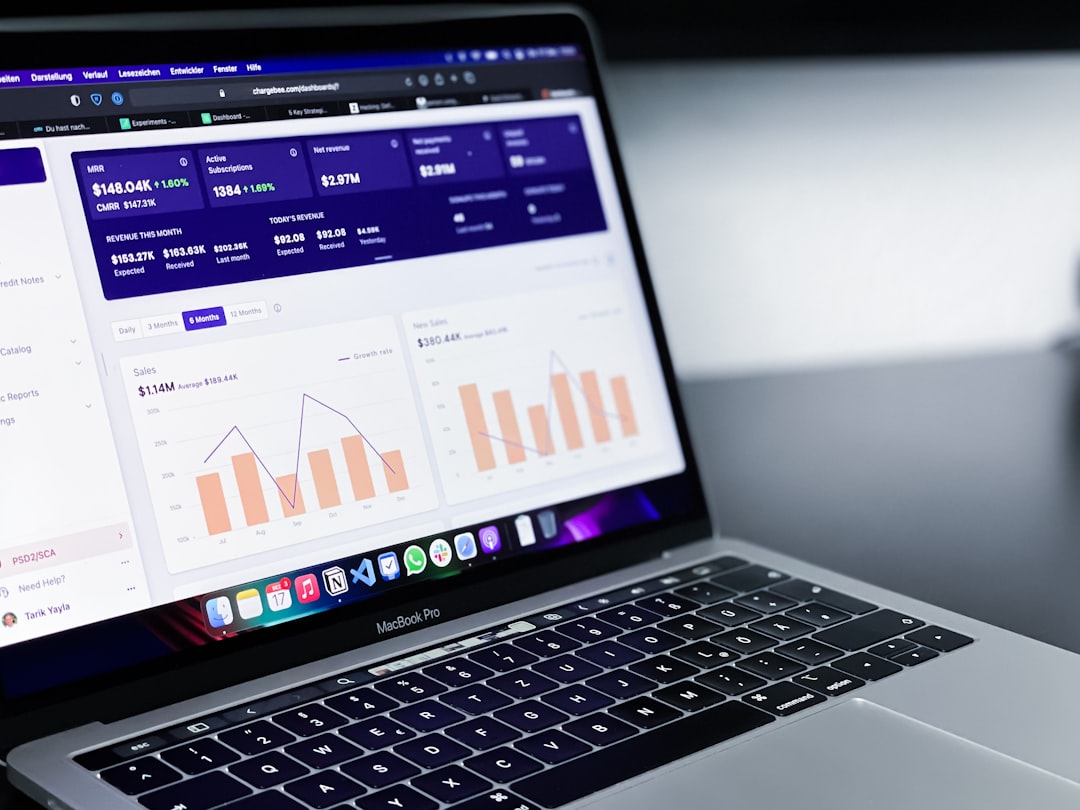
Don’t look only at sessions. Look at sessions to categories, sessions to products, the organic conversion rate, cart abandonment and the entry pages that generate the most revenue.
If a category gets lots of traffic but doesn’t sell, the problem may be price, copy, trust or navigation. If you don’t measure each part, you end up fixing what looks nice and leaving alive whatever is holding back sales.
If your store needs to get this in order without improvising, see our online stores service and we’ll review the complete commercial structure.
Mistakes we see a lot
- translating the site without adapting to intent
- leaving products without original content
- using filters that create indexable duplicates
- not implementing product schema
- ignoring the mobile version
- using generic CTAs such as “buy now” on pages that still don’t persuade
How Gulupa would approach it
First we diagnose the catalog, intent and architecture. Then we organize categories and product pages. Then we integrate content, technical SEO and measurement. If the business needs it, we add paid media to accelerate momentum while organic matures.
Frequently asked questions
Is SEO worth it if I already sell through paid ads?
Yes. It reduces dependence on ads and improves your total acquisition cost.
Do I need a blog for an ecommerce store?
Yes, if you want to capture informational searches and push products with better intent.
Which converts more: categories or products?
It depends on the catalog, but categories usually capture more general demand.
Is Spanish-language SEO very different in the US?
Yes. The intent, the vocabulary and the way trust is built all change.
When do you see results?
Usually within 3 to 6 months, depending on competition, catalog and technical condition.
If you want a store that doesn’t live on pushes, let’s start with the structure. Book your review with Gulupa Digital.